
 1 hour ago
3
1 hour ago
3
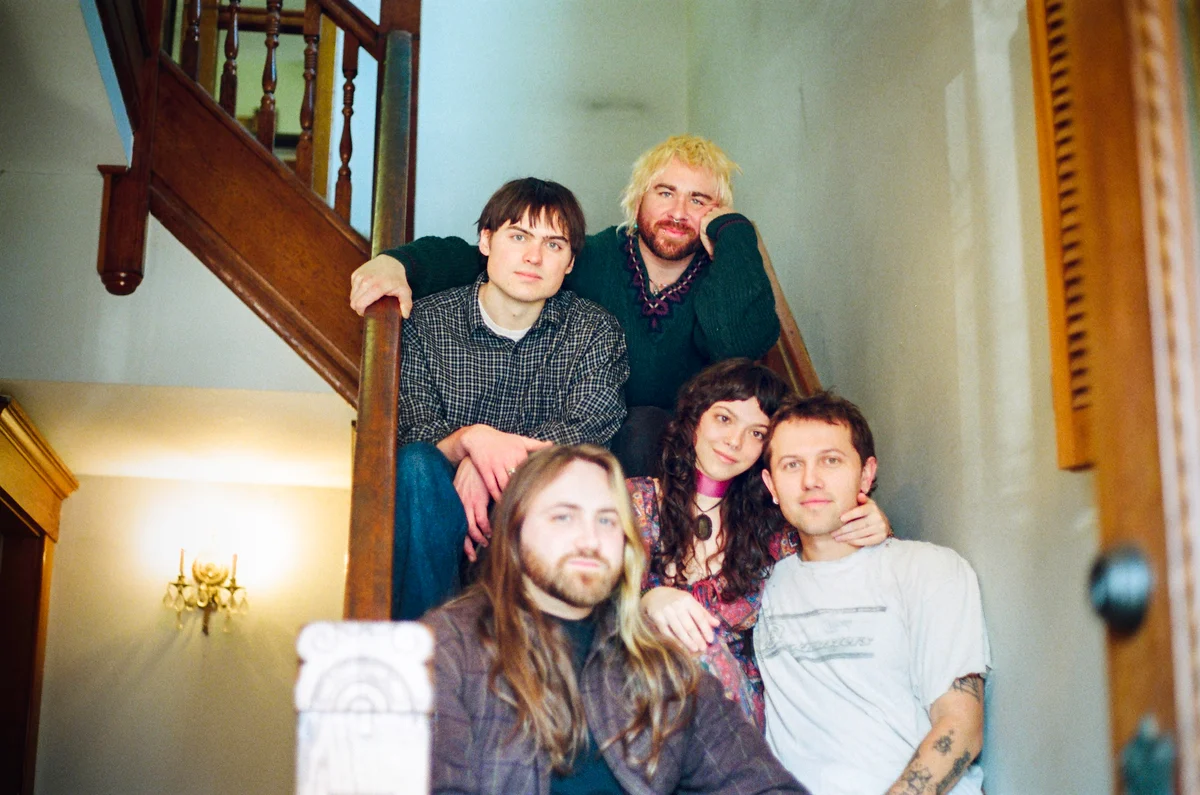

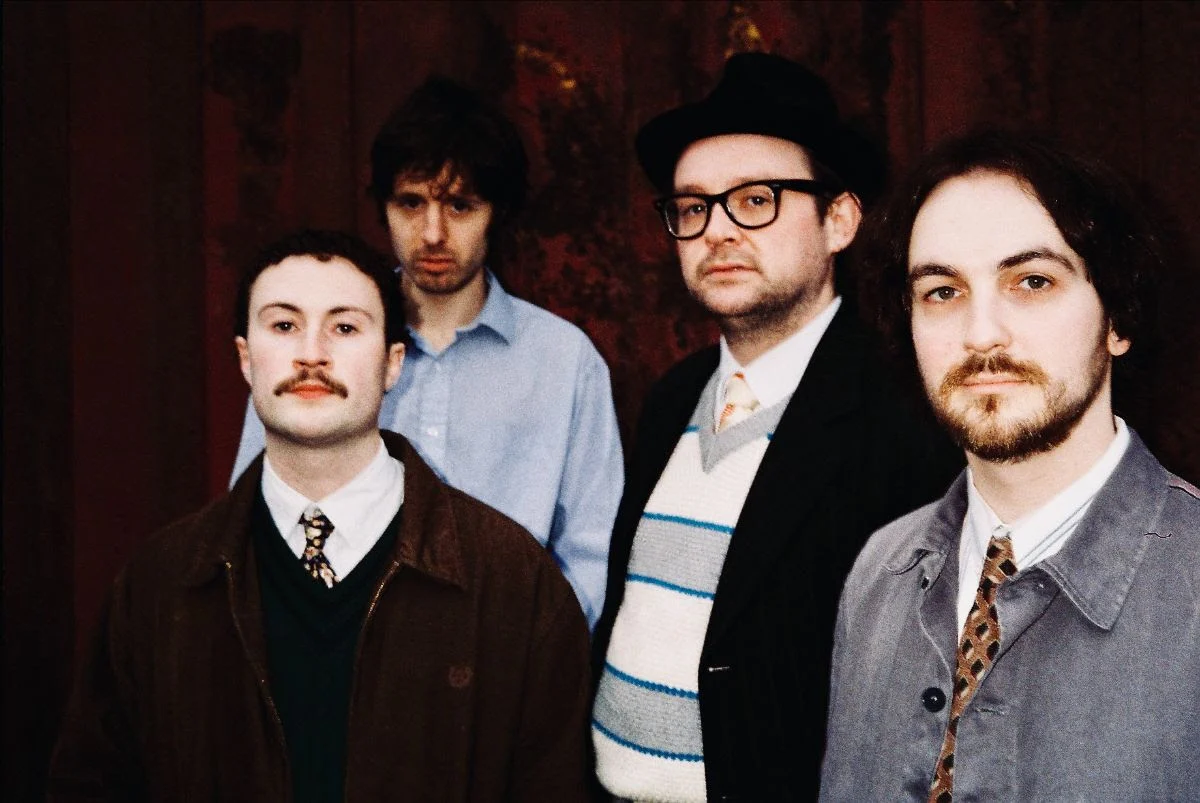
Photography by Juliette Boulay
The jury’s still out on what single themes or processes uniquely tether a song to its region.
The innate portability of music in the digital age, set against record wealth inequality, means anyone can project their own struggles onto a song recorded in a place they’ve never heard of and will probably never visit. The problems that afflict Mark Scott’s Appalachian hometown of Chillicothe also ravage the Deep South, the Rocky Mountains, and anywhere labour can be extracted and exploited. Spoiler – that’s everywhere. In practice, regionality encompasses a fluid constellation of relationships, routines, and shared histories.
For years, villagerrr was Columbus, Ohio’s best‑kept secret. Scott casually recorded his songs at home and released them one by one to a small, mostly local audience. 2024’s Tear Your Heart Out debuted on humble LA-via-Indiana label Winspear (Wishy, Teethe, Runo Plum), after which he began working with Lydia Slocum of feeble little horse and Merce Lemon, who both came up in the Pittsburgh DIY scene. The following year, Tear Your Heart Out’s deluxe re‑release introduced his work to a wider network of college radio alums, DIY lifers, and other music heads eager to claim a new act before everyone else catches on.
Sign up to Best Fit's Substack for regular dispatches from the world of pop culture
After years of playing local shows, Scott was shocked when his material began to reach listeners through channels other than word of mouth. Hyperlocal music communities that thrive online helped it spread far beyond his region. The band’s conventional path to indie success has them questioning the illusion of what makes an artist popular, something Scott said has been “shattered again and again.” Tear Your Heart Out widened his circle of collaborators, but not much has changed for him and his four bandmates, who have only now started to question the fate of their day jobs. On Carousel, Scott’s fifth album as villagerrr, he watches his future take shape as his music reaches places he never imagined it would, all while his day-to-day life remains largely the same.
Much of villagerrr’s catalogue evokes expansive terrain through careful details that aim to distinguish mundane Midwestern drives from the magnificent stretches of land between tour stops, reinforcing regionality as the product of relationships and experiences, not borders. “I don’t know how long I’ll be in Ohio or if I’ll always be here,” Scott tells me. “It’s likely that I’ll be here my whole life. I like that we’re all from here and that naturally shows in our music.” Time on the road, discovering new parts of the country, expanded the geographic reference points across albums. It also, of course, brought him into orbit with musicians whose contributions shaped Carousel.
“I wasn’t a kid who went on a ton of vacations. We didn’t have the means to do that.” But now with a few tours under his belt, “I’ve seen so many places that I never thought I would see,” a change that tinges the album with country and slowcore influences inspired by new surroundings. “I hadn’t been out west. I hadn’t been to the Southwest. I hadn’t been to the Northeast. I hadn’t been to Canada. I’ve seen so many places that I never thought I would see. All of that has definitely broadened my perspective.”

A smattering of site‑specific tracks transforms Carousel into a travelogue of sorts. “There’s this song ‘Virginia’ on the album that I wrote after we were in Richmond, which is a really old town. The city doesn’t directly shape the lyrics, but I love how green it is there.” His dad’s family has roots in Virginia, and its landscape and history remind him of the southern Ohio region where he grew up, as well as the parts of West Virginia and Kentucky he’s spent time in. Another song, “Indiana”, pulls its name from Indianola Avenue in the band’s Columbus neighborhood.
Despite positive reviews from influential outlets and personalities, Scott appears palpably disconnected from industry milestones and streaming metrics. “There’s a misconception about how popular something might be or how much is going on behind the scenes to get something in front of people,” he says. “Everybody wants to think you’re growing organically and that all the hard work is paying off.” In any case, whatever is happening on the back end has paid dividends, not that he cares.
Fresh off opening runs with Ratboys and Lowertown, he savours the brief period of calm before he hits the road again. Trusting others’ suggestions and tendencies as much as his own became pivotal after he began collaborating with other artists. Carousel crystallised these lessons over a two‑year writing process, the longest he’s ever spent on an album.
His most intimate album to date, Carousel searches for purpose and community in a world tainted by algorithmic dominance and everyday isolation. He found the antidote in the musicians who encouraged him to open the writing process to others. The record flourishes with contributions from those he crossed paths with, including Boone Patrello (Teethe) and Carolina Chauffe (hemlock).
His ability to yield control is still an “ongoing process,” but working with artists already in his circle put him at ease. Patrello, who’d worked on a handful of songs on Tear Your Heart Out, stepped into a more production‑heavy role this time. “He changed the mood of every song he played on. I sent him the whole album and said, ‘Play whatever you want,’” which included additions to songs Scott thought were already complete.
“A lot of the album revolved around the parts that he sent me. It doesn’t always go well, but I’m thankful to have found many people I really love. It feels good to have friends who are interested in what you’re doing. I’m interested in what they’re doing, musically and as people. It can be pretty vulnerable to work on music with somebody else,” he continues. “I wrote all the songs, but to me, it’s not even about that. I wanted to have my friends play, and I believe in uplifting them,” especially now that his label has given him a small platform to do so.

As a result, Carousel boasts an expanded palette, including string arrangements from Alice and Elliot of the Columbus band Rug and pedal steel from Zack Wiggs, who plays in a variety of Texas-based projects. “Having other people with access to things that I don’t have opens up a whole other world.” Input from others deepened Scott’s relationship with his work and enabled him to reap the benefits of ceding control, taking the album in directions he couldn’t have reached on his own. Now firmly on the other side, he’s grateful he dared to wander outside his comfort zone. “I liked the idea of collaborating with as many people as possible. I think more people should do it.”
Before finalizing the mixes with Patrello, Scott listened to rough drafts on long runs and drives. Stretches of quiet, endless miles stripped away distractions and pushed him into a meditative state. “I sometimes struggle to be present, so running helps.” That repetition subconsciously tied the tracks to the environments around him. “I like when music feels like it’s rooted in a place.”
Carousel is released 29 May via Winspear








.png?mbid=social_retweet)

 English (US) ·